

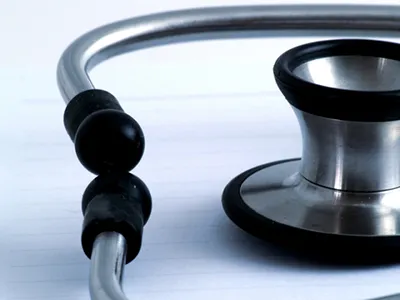
Prevention is a great idea – avoid an illness or, at least, nip it in the bud. That's what the yearly medical check-up purports to do.
The problem is – this ritual is not the best approach to preventive care. The annual check-up as commonly practiced has turned rigid. It has developed into a set of protocols that may not relate to individual needs
I'm not alone in this belief. The US Preventive Services Task Force recommends against annual physical examinations. There are better ways of using your health care resources. A routine physical for all can get in the way of individualized attention that more likely will improve your health.
That does not mean you should ignore bothersome symptoms. If the engine light on your car goes on, you take it in for service. What is that car worth? How much is your good health worth? If you ignore that symptom that just won't go away, you risk missing a chance to fix a problem while it's easy to fix. The sooner you fix it, the more quality life years you have.
However, I recommend you forgo the annual physical and consider instead a periodic personalized check-in.
The Check-In
Section titled “The Check-In”What is it? The doctor looks at your current state of health, your health history, and your family history to determine what your own particular health risks are. She identifies any current problems, their cause, completes any required diagnostic work, and advises you on treatment or prevention.
If you are over fifty, she screens you for cancer.
How often? Rather than once a year, the frequency must be individualized to you. Some guidelines follow.
Who Needs a Check-In? And When?
Section titled “Who Needs a Check-In? And When?”Healthy Men Under 50—If You Have Concerns
For people without a chronic disease (such as hypertension or diabetes), a check-in is only valuable if you have some symptom that won't go away. Rather than that routine annual physical, better to see your doctor and check in for help with the problem at hand.
If you have some concerning symptom, that's the time to pick up that telephone, call the doctor's office, and check in.
Healthy Women under 50 – Every Three Years
Most women need a Pap smear every three years. Women with more or less sexual exposure than average, or with worrisome family histories, or with special gynecologic situations require personalized plans. I judge the evidence correct that shows that routine mammograms are of no value under the age of 50. The key word here is routine. If your mother had breast cancer at a young age, routine doesn't count. Careful individual attention does.
Men and Women Over 50 – Yes!
An annual check-in for cancer screening helps detect and prevent skin cancer, breast, prostate, and colon cancers. If you have not recently been examined by an ophthalmologist or optometrist, your primary care doc can dilate your eyes and see if you need specialty evaluation for glaucoma.
Healthy 50-year-olds from long-lived families may choose longer intervals between cancer screenings, but work it out with your doctor.
People with Chronic Illness – Yes!
Chronic illness such as heart disease and diabetes can lead to irreversible complications. If you have symptoms, call your doc. Otherwise, check in at a frequency you and your doctor consider prudent.
Good Routines, Bad Routines
Some routines in medicine are good, such as frequent hand washing, the daily sterilization of exam tables and counters by our nurse, surveillance of medications, surgical checklists, and many more.
“Routine” physical examinations, however, lose value when they lull the mind. Alertness pays. When you run your eye over someone's skin, you need to remain aware that this mole or that abnormality could be dangerous. When you put that stethoscope to the chest, you may have heard normal heart sounds on the previous 50 examinations, but this time you may hear a murmur or other sound of trouble.
Other Purposes of a Check-In
Section titled “Other Purposes of a Check-In”Medication Review
Bring your medications and supplements to your medical check-in. We need to be sure that what we have in your medical record matches what's in your medicine cabinet. Very often I'll find that one supplement duplicates what is present in another. Other times I'll discover the people who do not have heart disease and are not at excessive risk for heart disease take aspirin. They heard it touted in the media. In fact, aspirin is often advised when not necessary- see the October 2004 newsletter and this article in New York Times: Well.
Family History and Health Habits
Knowing your family history can allow you to avoid certain health problems by changing your behavior or getting proper medical surveillance. Occasionally someone will ask for help with alcohol, stress, or weight, and we can start moving towards a solution.
Symptoms Checklist
Depending upon age, we run through a symptom checklist. Recently, a gentleman who thought himself perfectly healthy answered "well yes, now that you ask, I have had some trouble swallowing the last couple of months." This heightened my attentiveness on his neck exam, which showed an enlarged thyroid gland. This turned out benign on further investigation but required medication.
Appropriate Lab Tests
At appropriate intervals we do laboratory testing. The state of a person's liver or kidney function influences the use of or dosing of pharmaceutical medications. We do not perform routine annual vitamin D levels or EKGs, but we do encourage a screening vitamin D level because vitamin D deficiency is epidemic in this land of rain and clouds. A baseline EKG around the age of 50 can prevent trouble later on. Many times a person will have idiosyncratic wave forms on their EKG. If they have a copy of that baseline EKG in their hands when they enter the emergency room 15 years later with chest pain, the emergency room doctor will see that the unusual markings on their EKG are normal for that person. Unnecessary procedures can be avoided.
Worries and Concerns
Most people will have some questions or concerns that have arisen because of experiences of their friends or family or things they have seen in the media. Life is more relaxing when these concerns are dealt with or shown to be unnecessary.
Immunizations
It's important to get and update appropriate immunizations. As an example, whooping cough (pertussis) poses a threat to newborns and our community. By offering pertussis immunization to adults, we reduce risk to their children and grandchildren.
A Word about Children
Section titled “A Word about Children”Pediatricians have the last word on well-child exams, but the same principle applies. Immunizations need to be completed, of course. Beyond that, each child is an individual, and the schedule needs to be set accordingly. In my experience, parents generally bring in their first child more frequently than their subsequent children, simply because they have fewer questions with kid number two.
Putting the Responsibility Where It Belongs
Section titled “Putting the Responsibility Where It Belongs”If you're a commercial driver or pilot or you work on the water, you are required by the state to present yourself for physical examination on a periodic basis. If you don't have such a vocation, then you need to take responsibility for your own check-ins.
If you are less than 50 years of age, then watch those red or yellow lights on the dashboard. If you are over 50 years of age or you have a family history of serious medical illness, then I suggest you present yourself for a check in.
From my side, I'll pay attention and work for you without relying on routine.
And this is what a check-in is all about. It's never "routine."