

Sometimes I feel like a priest. Ralph came in to get his earwax removed and confessed that he cleaned his ears with a Q-tip. He said he knew he wasn't supposed to put anything smaller than his elbow in his ear. (How would you get your elbow into your ear, anyway?) He looked guilty. He feared he may have done harm to this delicate passage into his body.
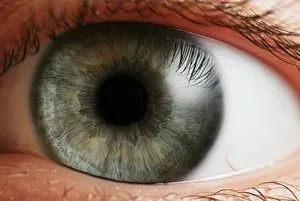
We all have multiple gateways to the dark interior of our bodies. To be precise: two eyes, two ears, two nostrils, one mouth, as well as the two or three in the nether region. These gateways have their own special linings and their own ecology. They can seem mysterious, and there is always that emotion-laden question of how to keep them clean. In this month's newsletter, we demystify the openings in our body.
Ears and Earwax
Section titled “Ears and Earwax”When Ralph came confessing, I didn't tell him what I had learned as a pediatric resident in San Francisco. My teachers told me Chinese mothers commonly cleaned their child's ear canals with the eyed end of a large needle. Apparently they were pretty good at it, because none of the docs had seen any damage to the eardrum from this ethnic practice.
But I did tell Ralph that many people clean their ears with Q-tips and most of the time they get away with it, despite doctorly head shaking. Occasionally I'll see wax plastered onto the drum from excessively enthusiastic cleaning and I'll tell them to ease off. I'm not too wild about seeing someone massage the outside of their eardrum with anything. And I suspect some external ear infections result from abrasion from a cotton swab. But still, I've never once seen actual damage to an ear from Q-tips.
Once a young man came in with bleeding from the ear, bringing his tearful girlfriend with him. She explained that he had been asleep. She was playing around with a twig in his ear to see if that would wake him up. It did, and as he woke up he jerked his head toward the twig. The next thing she knew, blood was dripping out of his ear. Sure enough, he had a hole in his eardrum, so I sent him on a trip to the ear doc. As it turned out, the ear doc asked him to wait and see if it would heal on its own, which it did.
Ear wax exists for the useful purpose of keeping the ear clean. You may notice your ears move when you talk or chew. The ear wax glands secrete the wax half way down the canal just at the verge of the bony portion of the ear canal. The motion of the ear canal then moves the wax toward the outside world carrying with it any debris that may have landed in the ear. Since ear wax has the consistency of a thick grease, oil usually makes it much softer, much easier to remove, and sometimes it can prevent the need to have the ears cleaned out. I think this works better than the potions you buy in the drugstore, but I've never done a formal study.
Women – You are Born Clean!
Section titled “Women – You are Born Clean!”Mary had come in with an itching and burning in her vaginal area. Examination showed no infection, no STD, nothing except general inflammation. As I always do in this situation, I asked if she washed her vulva with soap. She raised her eyebrows slightly and told me that of course she did, what kind of girl did I think her mother had brought up? Do you need soap to keep your mouth and eyes clean, I replied? The vaginal fluids and secretions keep the vagina clean, too. Please just wash yourself with water in the genital area, I advised, and some weeks later she let me know that that had indeed solved the problem.
The Eyes Have It
Section titled “The Eyes Have It”George was correct in his diagnosis. He had a sty. The small white swelling we call a sty is nothing more than a plugging of one of the glands that lubricates the eyelids. While it's tempting for the doc to prescribe antibiotic eye drops (which helps justify what he has to charge this person to keep his office open), the patient is better off with moist compresses, a warm washcloth on the closed eye. This almost always solves the problem. Just as with all the openings in the body, the eye has its own bacterial community and mechanisms to keep itself clean, and it's best to reserve eye drops, including antibiotic eye drops, for times we absolutely require them.
Mouth Ecology
Section titled “Mouth Ecology”When I had finished biopsying a possible skin cancer for Nancy, she asked about a coating on her tongue. A look told me she had an overgrowth of bacteria or fungi on the tongue. I told her that the mouth has a distinct bacterial community. (As does the rest of the body, see our January 2009 newsletter). One reason people in less developed countries have healthier teeth is that they don't have access to the rich and sugary foods that we consume. These encourage the growth of Streptococcus mutans, a microorganism that pushes out the healthy bacteria and contributes to tooth decay. Whatever we eat alters the environment in our mouth, and this environment affects the populations of bacteria and fungi bathing the teeth and tongue, for good or ill. This is why dentists often ask their patients to rinse their mouth several times a day with xylitol, a natural non-sweet sugar that facilitates a more healthful microbial community in the mouth. I suggested this technique to Nancy, but pointed out that, without more healthful nutrition, her beneficial microorganisms would be fighting an uphill battle.
Tooth brushing, by the way, disrupts undesirable bacterial microfilms on the teeth. The foam in your toothpaste does nothing to help the process. Toothpaste manufacturers discovered long ago that people are more likely to buy the toothpaste if it shows some evidence that it is doing something. Don't be fooled. If you enjoy using toothpaste, I am emphatically in favor of fluoride in toothpaste. The arguments against it are thin, depend heavily upon conspiracy theories, and entirely ignore the major health consequences of losing one's teeth. The argument for is simple – fluoride protects your teeth from decay.
The Nose and its Delicate Membranes
Section titled “The Nose and its Delicate Membranes”James came in for arthritis. One of his several minor problems led me to look in his nose, just to make sure he had no polyps, sinus drainage or other clues. He didn't. Now, the nasal membranes should look something like the membranes in your mouth--pink, uniform in color, and moist. James had some blanched and dry areas. Most often this arises from inadequate humidity in the home, most frequently from electric or wood heat. Many people will try rinsing their nose with physiologic saline. What seems to me to work better is a remedy I learned in India. This involves sniffing treated sesame seed oil into the nose, a technique we teach in our office. This almost always soothes the irritation of an excessively dry nose and frequently will reduce the symptoms of allergic rhinitis.
A Gateway We Mustn't Neglect
Section titled “A Gateway We Mustn't Neglect”The southern end of our gastro-intestinal tract, we'll not address here. Please assuage your disappointment by reading our previous newsletter entitled Love Your Colon, Honor Your Anus
Parallels in Life
Section titled “Parallels in Life”I've been discussing the openings between our delicate and must-be-protected innards and the outside world. These openings have their own ecology and local environment. Similarly there are openings between the emotional world inside us and the human universe about us. While the openings in our bodies have had hundreds of thousands of years to evolve, our own emotional selves began just decades ago. As an additional challenge, the social world we swim in changes very rapidly. Should we wonder that we sometimes have difficulty with relationships?
Let me save the topic of interpersonal relationships, our emotional openings, for future newsletters. These are just as important as the physical gateways to the body, and just as critical to our health. Meanwhile enjoy the delights of summer!